Buy future-food.eu ?
We are moving the project
future-food.eu .
Are you interested in purchasing the domain
future-food.eu ?
domain@kv-gmbh.de · 0541-91531010
Buy future-food.eu ?
What is a crop rotation?
Crop rotation is a farming practice where different types of crops are planted in the same area in sequential seasons. This helps to improve soil fertility, control pests and diseases, and reduce the need for chemical fertilizers and pesticides. By rotating crops, the soil is able to replenish nutrients and prevent the buildup of specific pests and diseases that target certain crops. This method has been used for centuries and is an important sustainable farming practice. **
What is the difference between crop rotation and crop sequence?
Crop rotation involves planting different crops in the same field in a planned sequence over time to improve soil health and reduce pest and disease pressure. On the other hand, crop sequence refers to the specific order in which different crops are planted in a single growing season. While crop rotation is a long-term strategy that involves changing the crops grown in a field over multiple seasons, crop sequence focuses on the immediate planting order within a single season. Both practices are important for sustainable agriculture and maximizing crop productivity. **
Similar search terms for Crop rotation
Top-Angebote
Products related to Crop rotation:
-
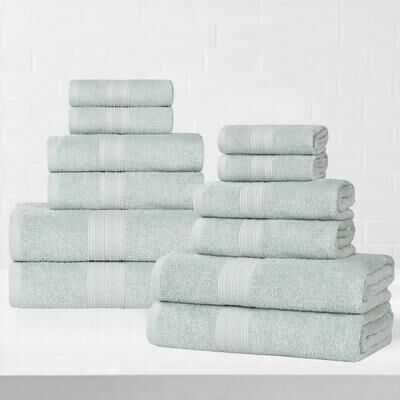
Superior Eco-Friendly Sustainable Cotton 12-Piece Bathroom Towel SetMade with incredibly soft recycled cotton, the Eco-Friendly Sustainable Cotton Bathroom Towel Set is the perfect green addition to any bathroom space. Our sustainable Cotton towels are lightweight to get you dry quickly after a shower or bath.78,99 $*Shipping: 0,00 $Secure redirect to the provider
-
Superior Eco-Friendly Sustainable Cotton 12-Piece Bathroom Towel SetMade with incredibly soft recycled cotton, the Eco-Friendly Sustainable Cotton Bathroom Towel Set is the perfect green addition to any bathroom space. Our sustainable Cotton towels are lightweight to get you dry quickly after a shower or bath.63,19 $*Shipping: 0,00 $Secure redirect to the provider
-
Superior Eco-Friendly Sustainable Cotton 12-Piece Bathroom Towel SetMade with incredibly soft recycled cotton, the Eco-Friendly Sustainable Cotton Bathroom Towel Set is the perfect green addition to any bathroom space. Our sustainable Cotton towels are lightweight to get you dry quickly after a shower or bath.61,91 $*Shipping: 0,00 $Secure redirect to the provider
-
Superior Eco-Friendly Sustainable Cotton 12-Piece Bathroom Towel SetMade with incredibly soft recycled cotton, the Eco-Friendly Sustainable Cotton Bathroom Towel Set is the perfect green addition to any bathroom space. Our sustainable Cotton towels are lightweight to get you dry quickly after a shower or bath.64,59 $*Shipping: 0,00 $Secure redirect to the provider



-
What are the goals of a crop rotation?
The goals of a crop rotation are to improve soil fertility and structure, reduce the build-up of pests and diseases, and increase crop yields. By rotating different crops in a specific sequence, the soil can be replenished with different nutrients, and the risk of soil-borne diseases and pests can be minimized. Additionally, crop rotation can help break the life cycle of certain pests and weeds, leading to healthier and more productive crops. **
-
What is the difference between shifting cultivation and crop rotation?
Shifting cultivation involves clearing a piece of land, planting crops for a few years until the soil is depleted, and then moving to a new area to start the process again. Crop rotation, on the other hand, is a farming practice where different crops are planted in the same area in a planned sequence to improve soil fertility and reduce pests and diseases. While shifting cultivation is more extensive and involves moving to new land regularly, crop rotation is a more sustainable and intensive farming method that aims to maintain soil health and productivity over time. **
-
What is the difference between three-field farming and crop rotation?
Three-field farming and crop rotation are both agricultural practices that involve rotating crops in order to maintain soil fertility and productivity. However, the main difference between the two is the specific method of rotation. In three-field farming, the land is divided into three sections, and each year one section is left fallow while the other two are planted with different crops. This allows the soil to rest and replenish its nutrients. On the other hand, crop rotation involves the systematic rotation of different crops in the same field over a period of time. This method allows for a more diverse range of crops to be grown and helps to prevent the build-up of pests and diseases associated with monoculture. **
-
What is the difference between three-field system and crop rotation system?
The three-field system and crop rotation system are both agricultural practices aimed at improving soil fertility and crop yields. The main difference between the two is that the three-field system divides the land into three sections, with one section left fallow each year, while the crop rotation system involves rotating different crops in the same field each year. The three-field system is simpler and involves a longer period of fallow, while crop rotation allows for more flexibility in the types of crops grown and can be tailored to specific soil and climate conditions. **


How does plant rotation work in the aquarium?
Plant rotation in the aquarium involves periodically moving plants around to different locations within the tank. This helps ensure all plants receive adequate light and nutrients, preventing overcrowding and allowing for better growth. By rotating plants, you can also prevent algae growth in shaded areas and promote a more balanced and visually appealing aquascape. It is important to consider the specific light and nutrient requirements of each plant species when planning the rotation schedule. **
How does the plant rotation work in the aquarium?
Plant rotation in an aquarium involves periodically moving plants around to different locations within the tank. This helps ensure all plants receive adequate light, nutrients, and water circulation, promoting even growth and preventing overcrowding. By rotating plants, you can also prevent certain species from shading others and allow for better aesthetic arrangement. It's important to consider the specific light and nutrient requirements of each plant species when planning the rotation schedule. **
Top-Angebote
Products related to Crop rotation:
-
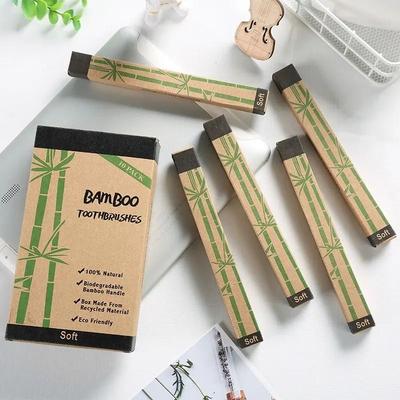
Uplift Essentials Natural Bamboo Eco Friendly Toothbrush 10 Piece Sustainable Family Pack Natural Bamboo Eco Friendly Toothbrush 10 Piece Sustainable Family PackTransition to a greener routine with this Natural Bamboo Toothbrush Set, a premium collection of bamboo products designed to reduce environmental impact without compromising on performance. Each handle is crafted from 100% sustainable bamboo,...37,97 $*Shipping: 0,00 $Secure redirect to the provider
-
Superior Eco-Friendly Sustainable Cotton 12-Piece Bathroom Towel SetMade with incredibly soft recycled cotton, the Eco-Friendly Sustainable Cotton Bathroom Towel Set is the perfect green addition to any bathroom space. Our sustainable Cotton towels are lightweight to get you dry quickly after a shower or bath.78,99 $*Shipping: 0,00 $Secure redirect to the provider
-
Superior Eco-Friendly Sustainable Cotton 12-Piece Bathroom Towel SetMade with incredibly soft recycled cotton, the Eco-Friendly Sustainable Cotton Bathroom Towel Set is the perfect green addition to any bathroom space. Our sustainable Cotton towels are lightweight to get you dry quickly after a shower or bath.63,19 $*Shipping: 0,00 $Secure redirect to the provider
-
What is a crop rotation?
Crop rotation is a farming practice where different types of crops are planted in the same area in sequential seasons. This helps to improve soil fertility, control pests and diseases, and reduce the need for chemical fertilizers and pesticides. By rotating crops, the soil is able to replenish nutrients and prevent the buildup of specific pests and diseases that target certain crops. This method has been used for centuries and is an important sustainable farming practice. **
-
What is the difference between crop rotation and crop sequence?
Crop rotation involves planting different crops in the same field in a planned sequence over time to improve soil health and reduce pest and disease pressure. On the other hand, crop sequence refers to the specific order in which different crops are planted in a single growing season. While crop rotation is a long-term strategy that involves changing the crops grown in a field over multiple seasons, crop sequence focuses on the immediate planting order within a single season. Both practices are important for sustainable agriculture and maximizing crop productivity. **
-
What are the goals of a crop rotation?
The goals of a crop rotation are to improve soil fertility and structure, reduce the build-up of pests and diseases, and increase crop yields. By rotating different crops in a specific sequence, the soil can be replenished with different nutrients, and the risk of soil-borne diseases and pests can be minimized. Additionally, crop rotation can help break the life cycle of certain pests and weeds, leading to healthier and more productive crops. **
-
What is the difference between shifting cultivation and crop rotation?
Shifting cultivation involves clearing a piece of land, planting crops for a few years until the soil is depleted, and then moving to a new area to start the process again. Crop rotation, on the other hand, is a farming practice where different crops are planted in the same area in a planned sequence to improve soil fertility and reduce pests and diseases. While shifting cultivation is more extensive and involves moving to new land regularly, crop rotation is a more sustainable and intensive farming method that aims to maintain soil health and productivity over time. **
Similar search terms for Crop rotation
-
Superior Eco-Friendly Sustainable Cotton 12-Piece Bathroom Towel SetMade with incredibly soft recycled cotton, the Eco-Friendly Sustainable Cotton Bathroom Towel Set is the perfect green addition to any bathroom space. Our sustainable Cotton towels are lightweight to get you dry quickly after a shower or bath.61,91 $*Shipping: 0,00 $Secure redirect to the provider
-
Superior Eco-Friendly Sustainable Cotton 12-Piece Bathroom Towel SetMade with incredibly soft recycled cotton, the Eco-Friendly Sustainable Cotton Bathroom Towel Set is the perfect green addition to any bathroom space. Our sustainable Cotton towels are lightweight to get you dry quickly after a shower or bath.64,59 $*Shipping: 0,00 $Secure redirect to the provider
-
Superior Eco-Friendly Sustainable Cotton 12-Piece Bathroom Towel SetMade with incredibly soft recycled cotton, the Eco-Friendly Sustainable Cotton Bathroom Towel Set is the perfect green addition to any bathroom space. Our sustainable Cotton towels are lightweight to get you dry quickly after a shower or bath.80,99 $*Shipping: 0,00 $Secure redirect to the provider
-
Superior Eco-Friendly Sustainable Cotton 12-Piece Bathroom Towel SetMade with incredibly soft recycled cotton, the Eco-Friendly Sustainable Cotton Bathroom Towel Set is the perfect green addition to any bathroom space. Our sustainable Cotton towels are lightweight to get you dry quickly after a shower or bath.61,90 $*Shipping: 0,00 $Secure redirect to the provider
-
What is the difference between three-field farming and crop rotation?
Three-field farming and crop rotation are both agricultural practices that involve rotating crops in order to maintain soil fertility and productivity. However, the main difference between the two is the specific method of rotation. In three-field farming, the land is divided into three sections, and each year one section is left fallow while the other two are planted with different crops. This allows the soil to rest and replenish its nutrients. On the other hand, crop rotation involves the systematic rotation of different crops in the same field over a period of time. This method allows for a more diverse range of crops to be grown and helps to prevent the build-up of pests and diseases associated with monoculture. **
-
What is the difference between three-field system and crop rotation system?
The three-field system and crop rotation system are both agricultural practices aimed at improving soil fertility and crop yields. The main difference between the two is that the three-field system divides the land into three sections, with one section left fallow each year, while the crop rotation system involves rotating different crops in the same field each year. The three-field system is simpler and involves a longer period of fallow, while crop rotation allows for more flexibility in the types of crops grown and can be tailored to specific soil and climate conditions. **
-
How does plant rotation work in the aquarium?
Plant rotation in the aquarium involves periodically moving plants around to different locations within the tank. This helps ensure all plants receive adequate light and nutrients, preventing overcrowding and allowing for better growth. By rotating plants, you can also prevent algae growth in shaded areas and promote a more balanced and visually appealing aquascape. It is important to consider the specific light and nutrient requirements of each plant species when planning the rotation schedule. **
-
How does the plant rotation work in the aquarium?
Plant rotation in an aquarium involves periodically moving plants around to different locations within the tank. This helps ensure all plants receive adequate light, nutrients, and water circulation, promoting even growth and preventing overcrowding. By rotating plants, you can also prevent certain species from shading others and allow for better aesthetic arrangement. It's important to consider the specific light and nutrient requirements of each plant species when planning the rotation schedule. **
* All prices are inclusive of VAT and, if applicable, plus shipping costs. The offer information is based on the details provided by the respective shop and is updated through automated processes. Real-time updates do not occur, so deviations can occur in individual cases. ** Note: Parts of this content were created by AI.